
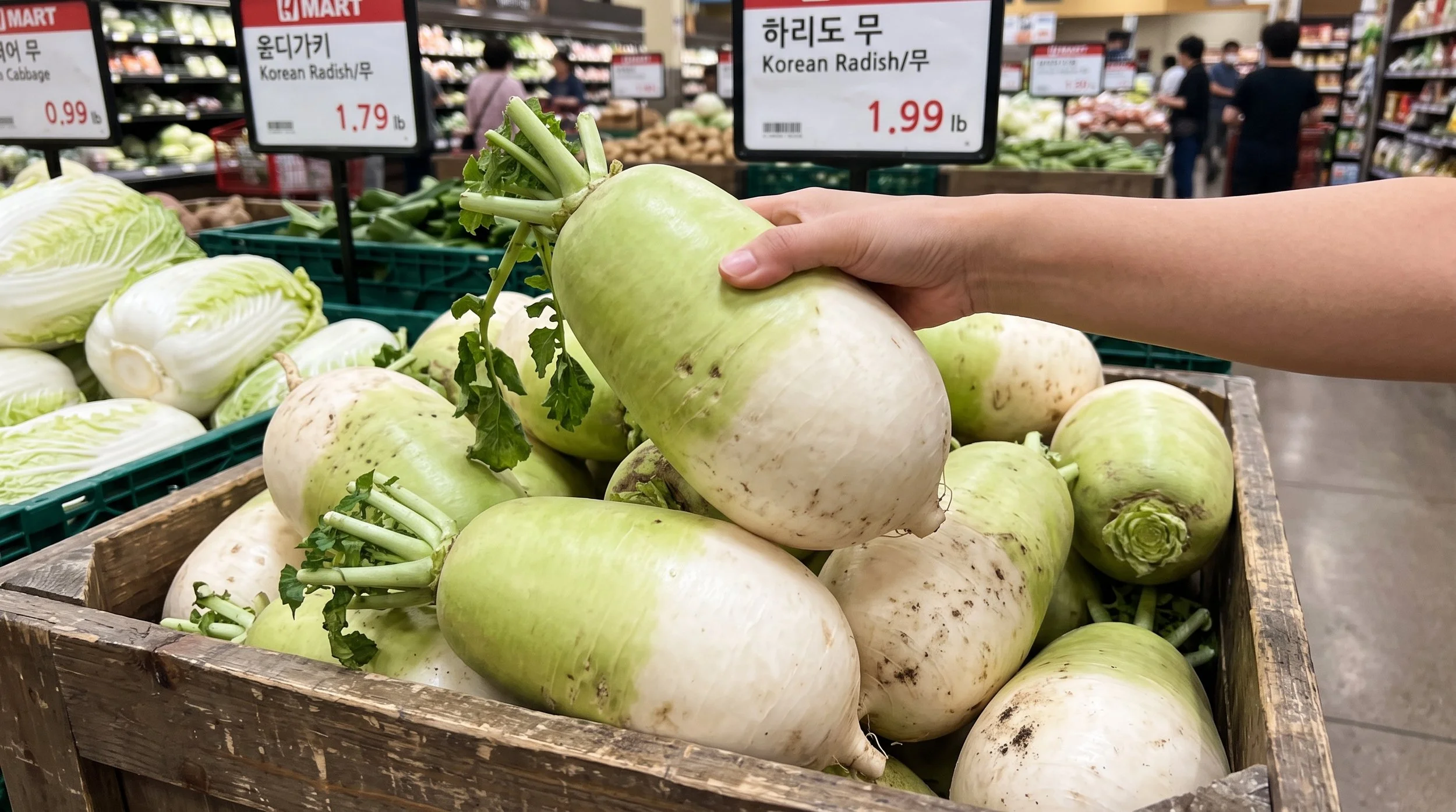
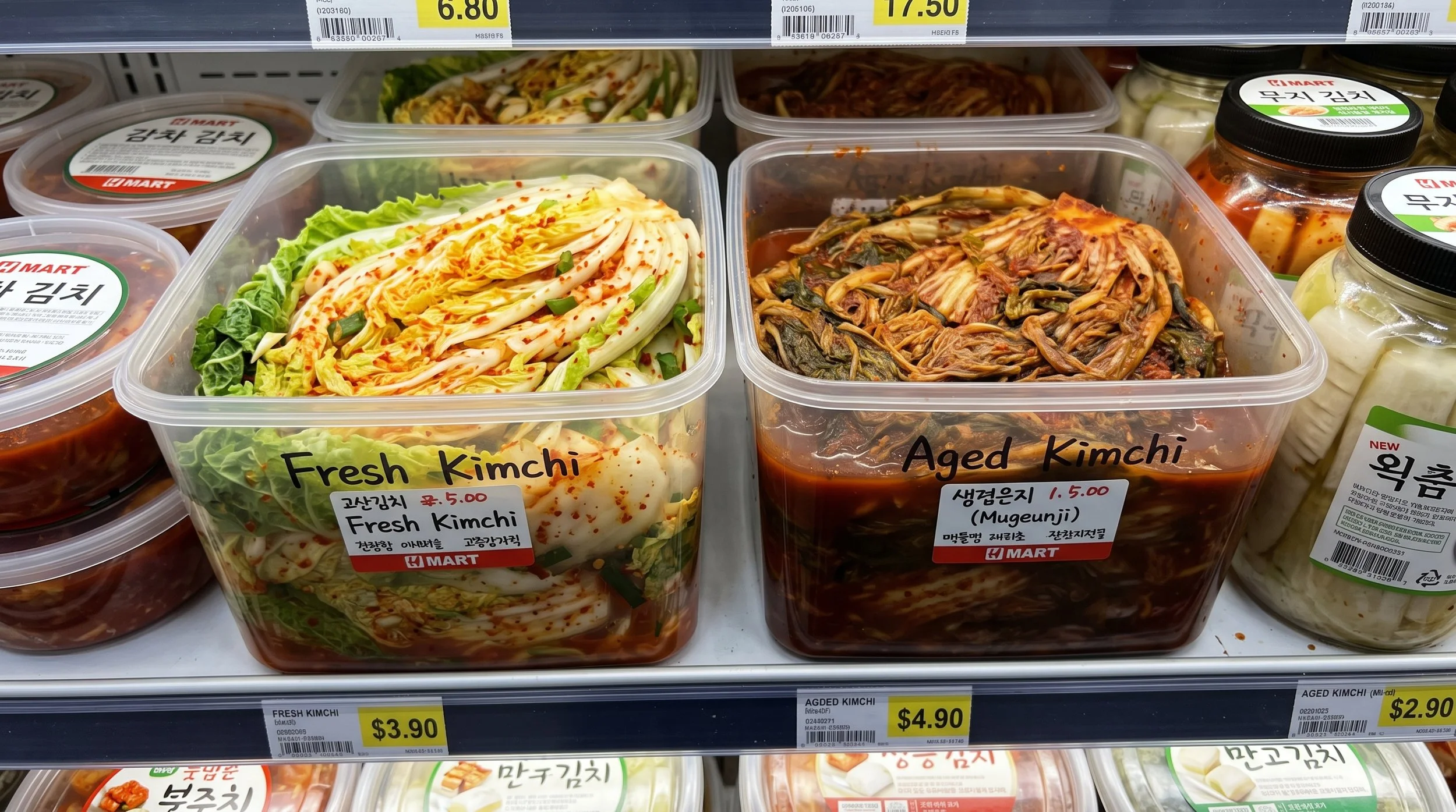
Fresh vs. Aged Kimchi: How to Choose the Best Kimchi for Your Gut
The best kimchi for your gut depends on what you need: fresh kimchi is crunchy, bright, and higher in vitamin C, while aged kimchi (mugeunji) has fermented for months and is rich in the lactic acid bacteria behind kimchi's probiotic benefits. Both are fermented, both support digestion, and in Traditional Korean Medicine both have a place at the table.

5 Foods That May Be Worsening Your PMOS (PCOS) Symptoms
If you have PMOS (formerly known as PCOS), these five foods are the ones most likely making your symptoms worse. They're common, they're not always obvious, and they tend to show up more often than people realize — which is exactly why they're worth a closer look.
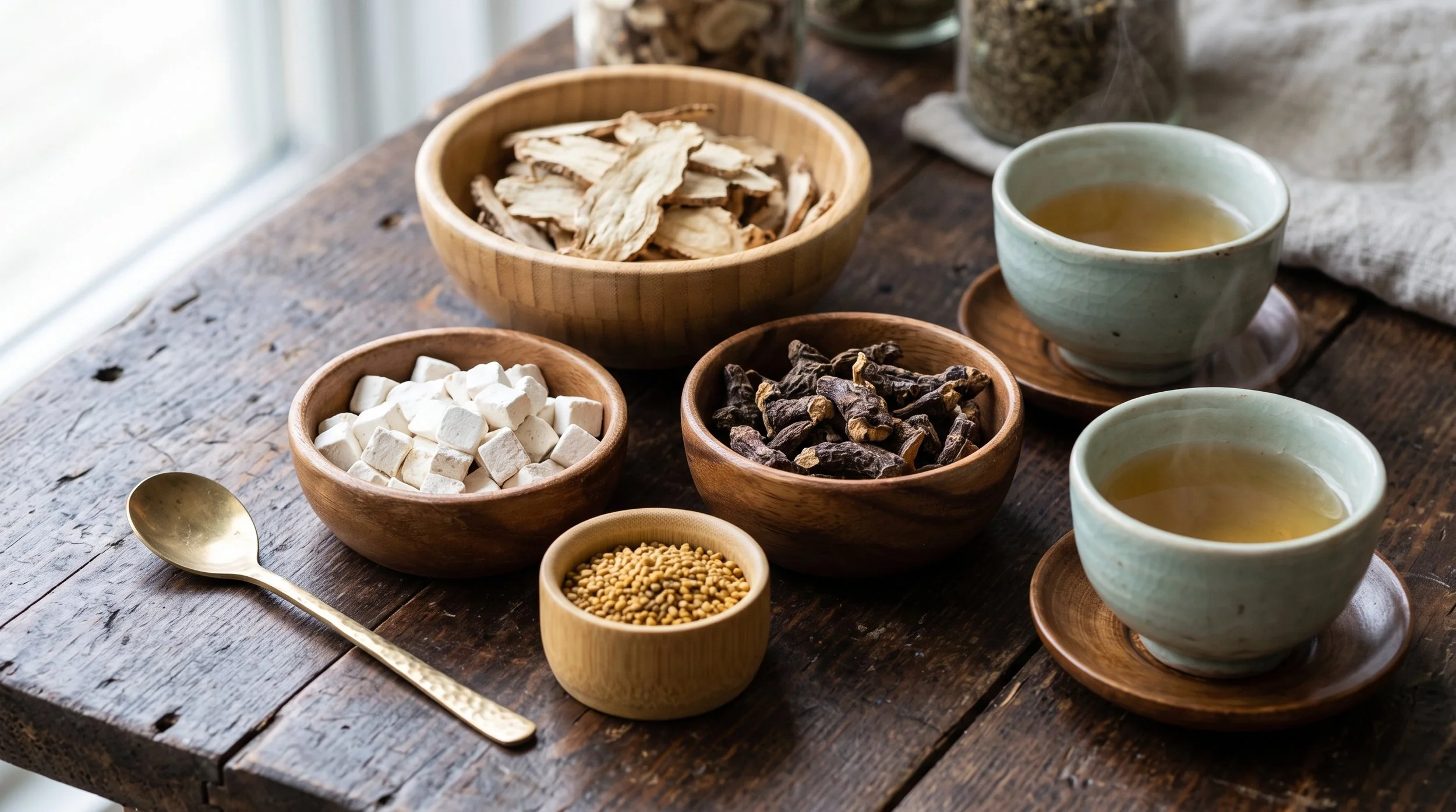
The Herbs GM Choi's Herbal Medicine™ Uses for PMOS (Formerly PCOS)
In GM Choi's Herbal Medicine™, several herbs are commonly used to support women with PMOS (formerly known as PCOS) — but they're never prescribed the same way twice. Herbal formulas are always customized to the individual; there's no one-size-fits-all prescription for PMOS.
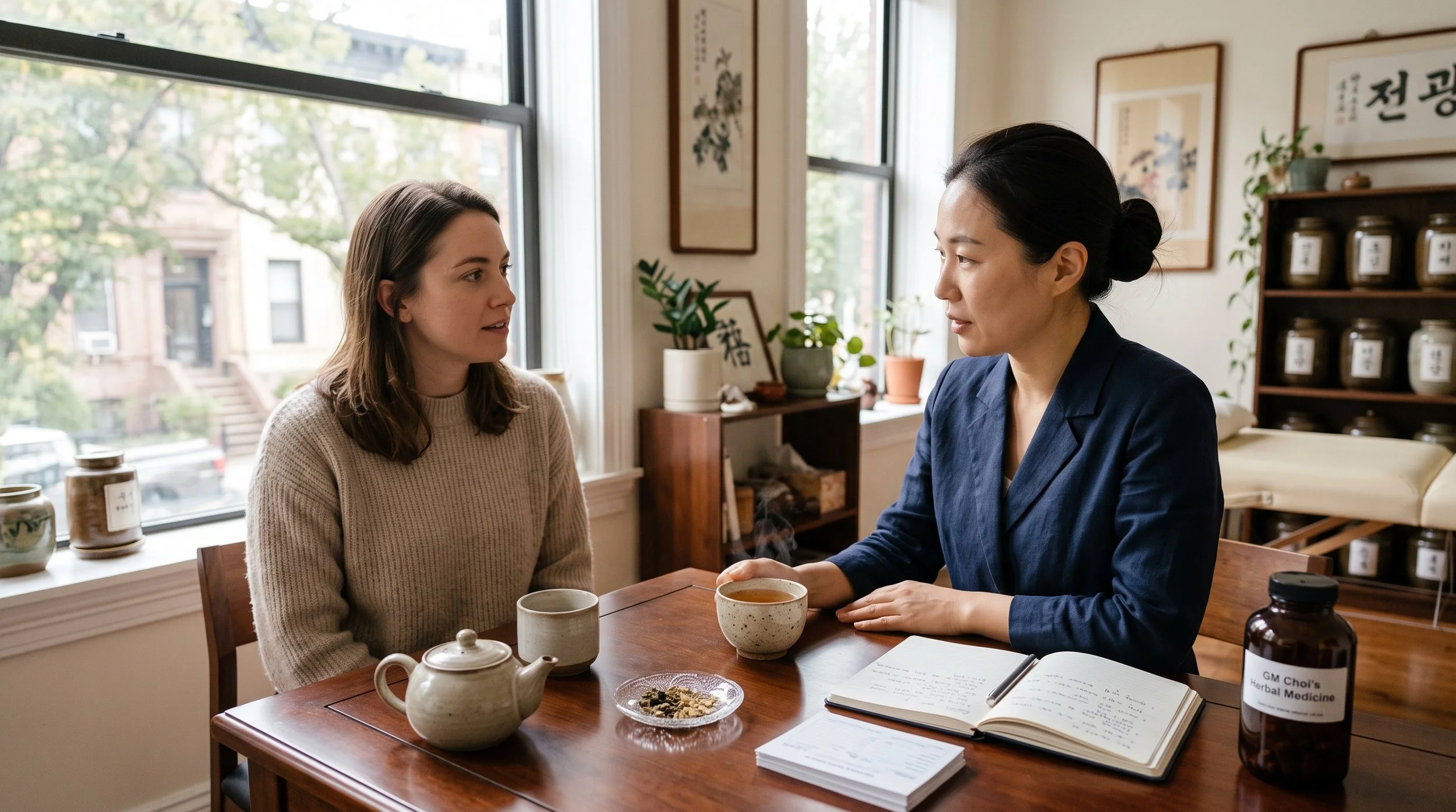
What Is PMOS? How Traditional Korean Medicine Looks Beyond the Diagnosis
PMOS — Polyendocrine Metabolic Ovarian Syndrome, the new name for PCOS — isn't just an ovarian condition. It's a whole-body hormonal and metabolic disorder. In Traditional Korean Medicine, we don't diagnose “PMOS” itself; we look for the underlying imbalance that's actually causing your symptoms.
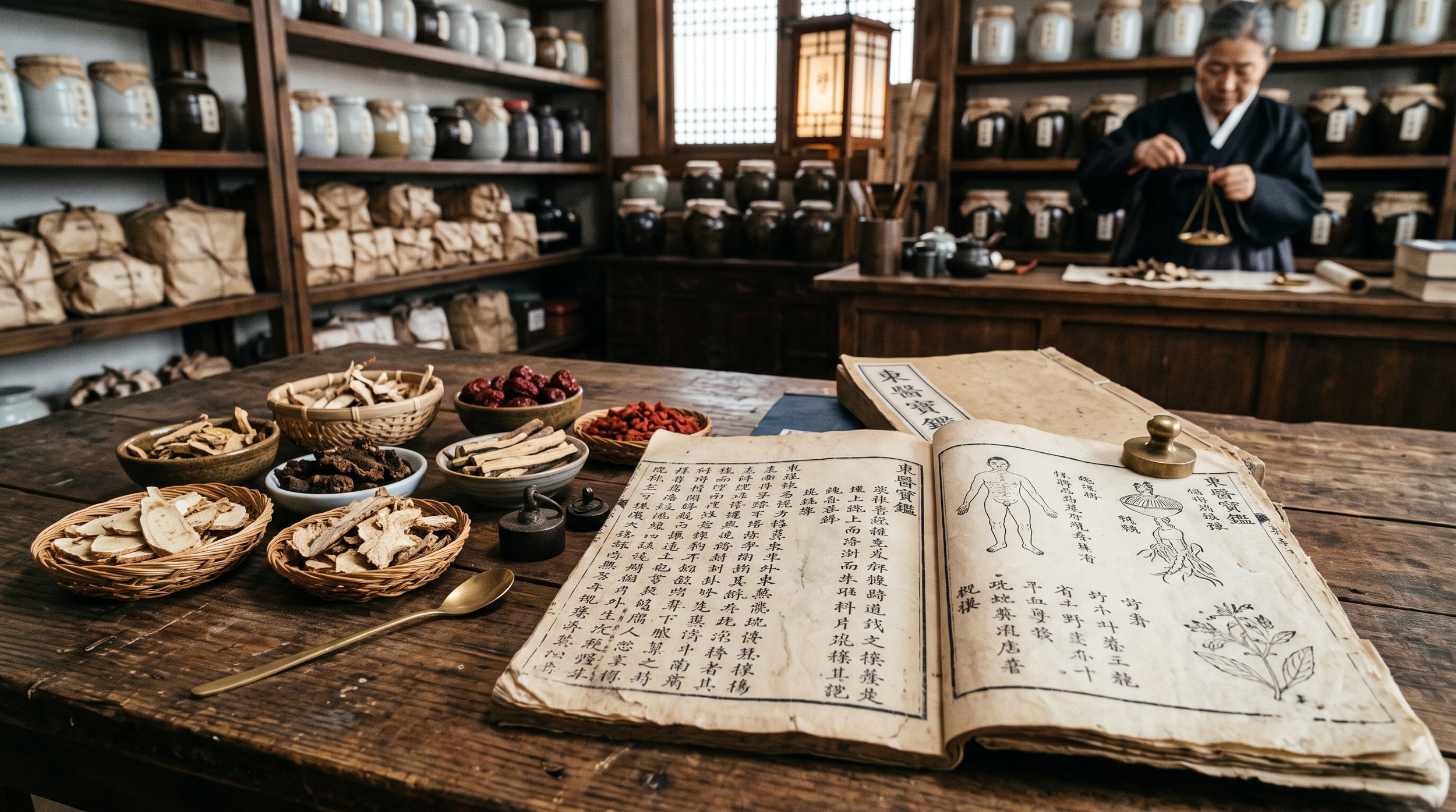
Is Korean Herbal Medicine Just Chinese Medicine Translated? Not Quite
Many people assume Korean herbal medicine is simply Chinese medicine translated into Korean. It's not. Traditional Korean Medicine (TKM) shares foundational theories with Traditional Chinese Medicine (TCM) — but Korea has spent more than a thousand years developing its own diagnostic methods, classical texts, and herbal formulas into a distinct medical tradition.
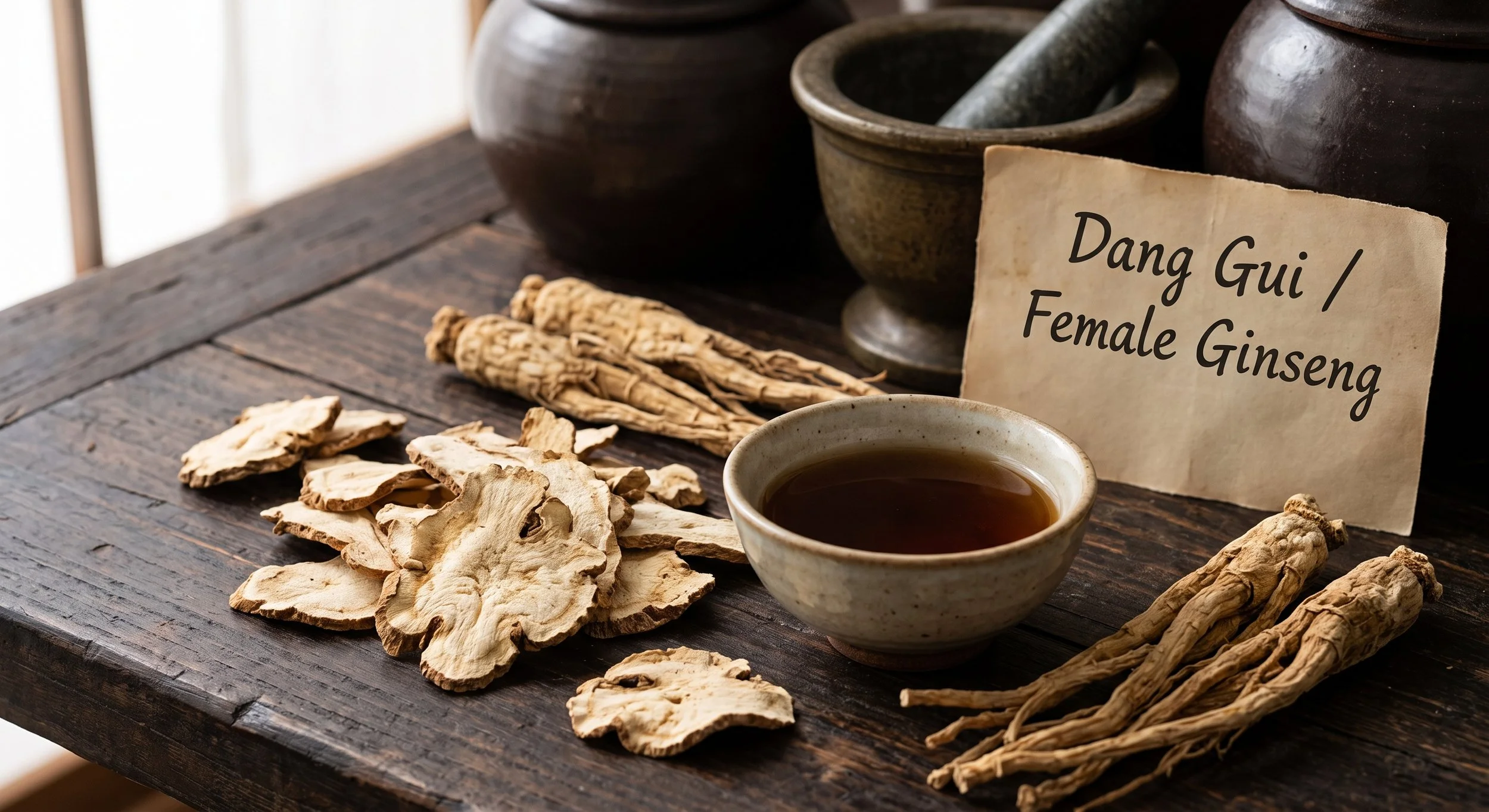
Dang Gui Benefits: The Korean Herb Behind Women's Health
If you've been feeling unusually tired, dizzy, or noticing dry skin, a pale complexion, or periods that are light, irregular, or painful, Traditional Korean Medicine has a name for what your body may be signaling: blood deficiency, or poor blood circulation. And it has a herb that's been used for hundreds of years to help restore that balance — Dang Gui, sometimes called “female ginseng.”
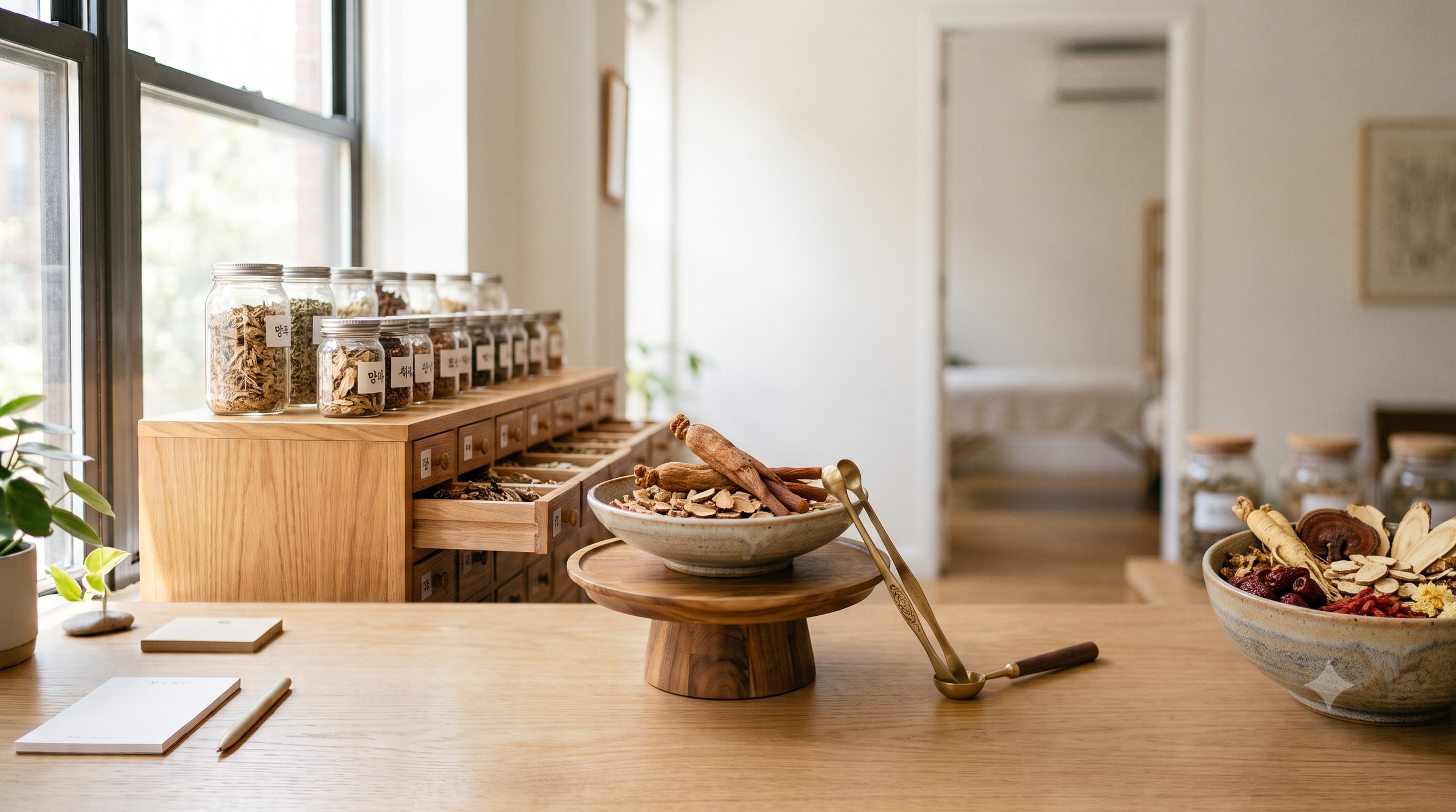
How Korean Red Ginseng Supports Qi and Immunity: A Holistic Perspective
Korean Red Ginseng (Hongsam, 홍삼) is a steamed and dried ginseng root used in Traditional Korean Medicine to replenish Qi (vital energy), strengthen immune function, and aid recovery from illness or exhaustion. Modern research supports its role in immune modulation, physical endurance, and cognitive health. At YSC Acupuncture, we rarely prescribe it alone — it's most effective as part of a personalized herbal formula.
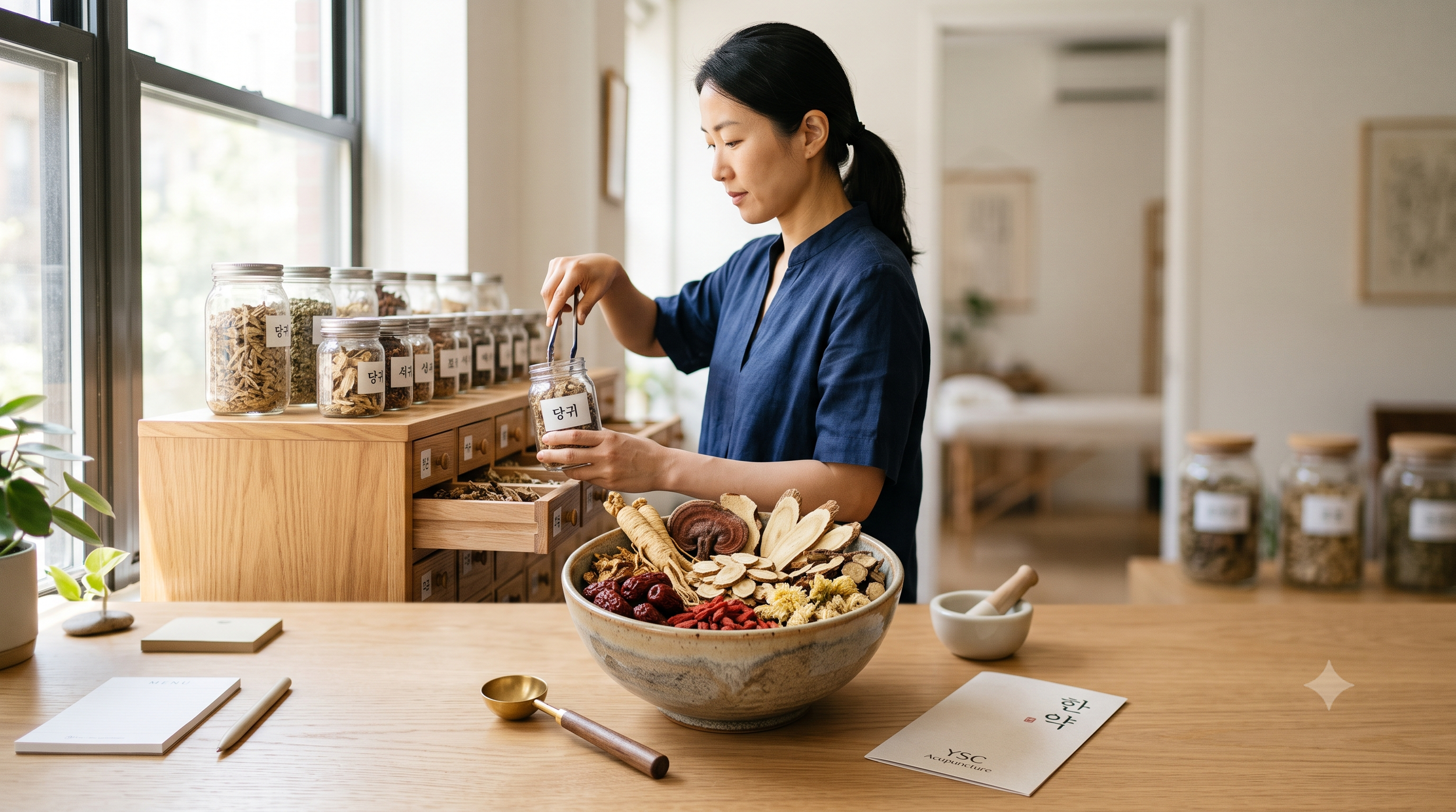
Understanding Korean Herbal Medicine: Why One-Size-Fits-All Doesn't Work
Traditional Korean Medicine treats herbal medicine as a personalized system, not a symptom-by-symptom fix. Instead of one herb for one complaint, practitioners evaluate your whole body — digestion, sleep, energy, circulation, and constitution — to identify the root cause of an imbalance. That's why two people with the same diagnosis often receive completely different herbal formulas.
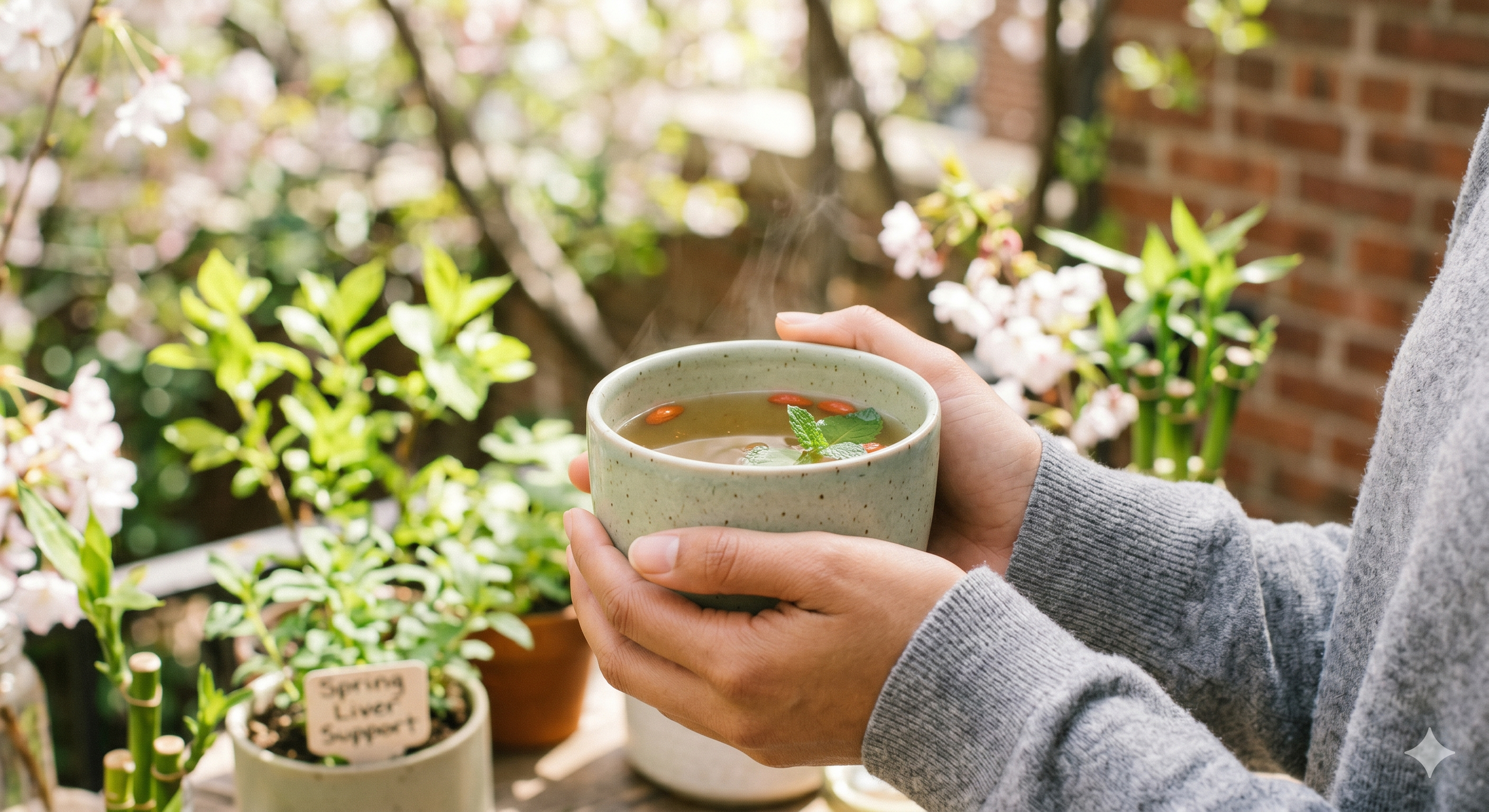
Spring is Here: Is Your Liver Keeping Up?
The days are longer, the birds are back, and the city is finally blooming. While the world outside is bursting with new growth, you might be feeling a bit different. If you’ve been feeling more "stuck" than "springy," there is a reason for that rooted deep in Traditional Eastern Medicine.

Better Than Botox: How Cosmetic Acupuncture Restores Skin from the Inside Out
Choosing between clinical results and natural wellness used to be a difficult trade-off. However, at YSC Acupuncture, we believe that the most effective skincare doesn't come from a syringe of chemicals—it comes from healing the body’s internal systems.
Our approach to Cosmetic Acupuncture is rooted in the deep wisdom of Traditional Korean Medicine, treating the skin not just as a surface to be "fixed," but as a mirror of your internal health.
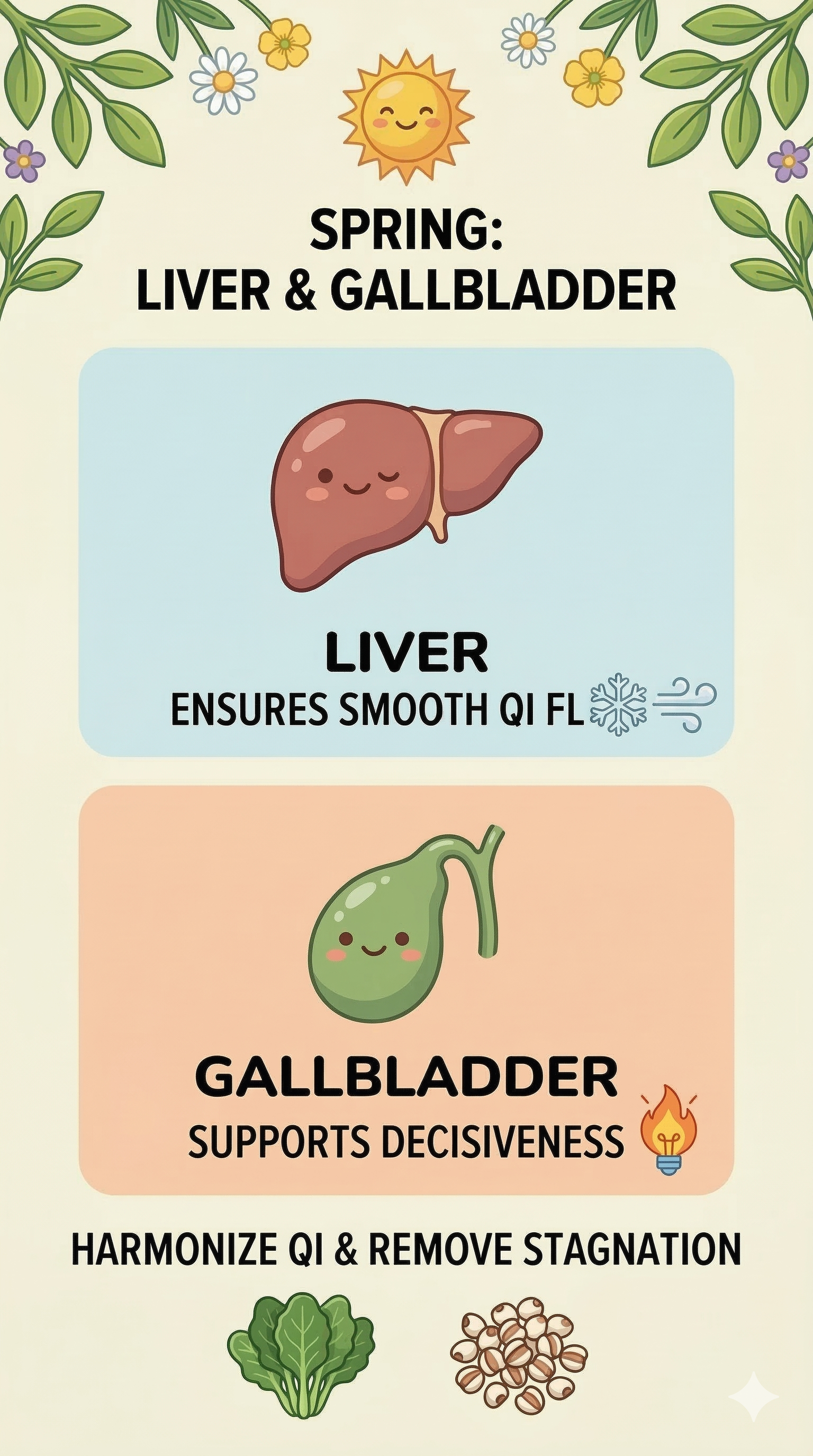
Mapping Your Body to the Seasons: Traditional Korean Medicine Guide
In Traditional Korean Medicine, health isn't a static state—it's a dynamic dance with the world around us. A core pillar of this practice is the belief that we must live by and follow the seasons to truly nurture our bodies through movement and food. Just as nature moves through distinct seasons, our bodies move through internal cycles that mirror the environment.
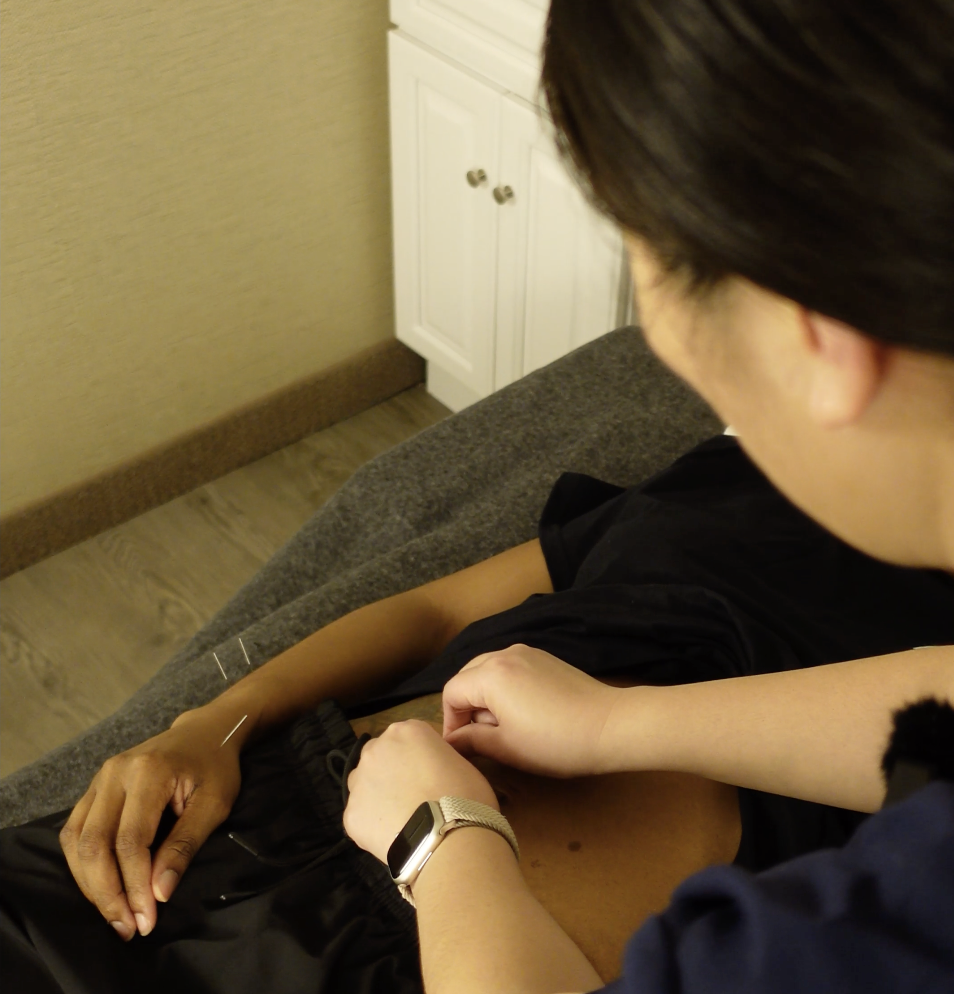
Uterine Fibroids: How Acupuncture and Herbal Medicine Restore Balance
Finding relief from uterine fibroids can feel like an uphill battle. Many women, like Empress Lanice, struggle with heavy bleeding, intense pain, and cycles that leave them feeling drained for weeks. While conventional medicine can identify the presence of fibroids through sonograms and ultrasounds, it often lacks a clear explanation for why they occur—leaving patients without a path to non-invasive management.
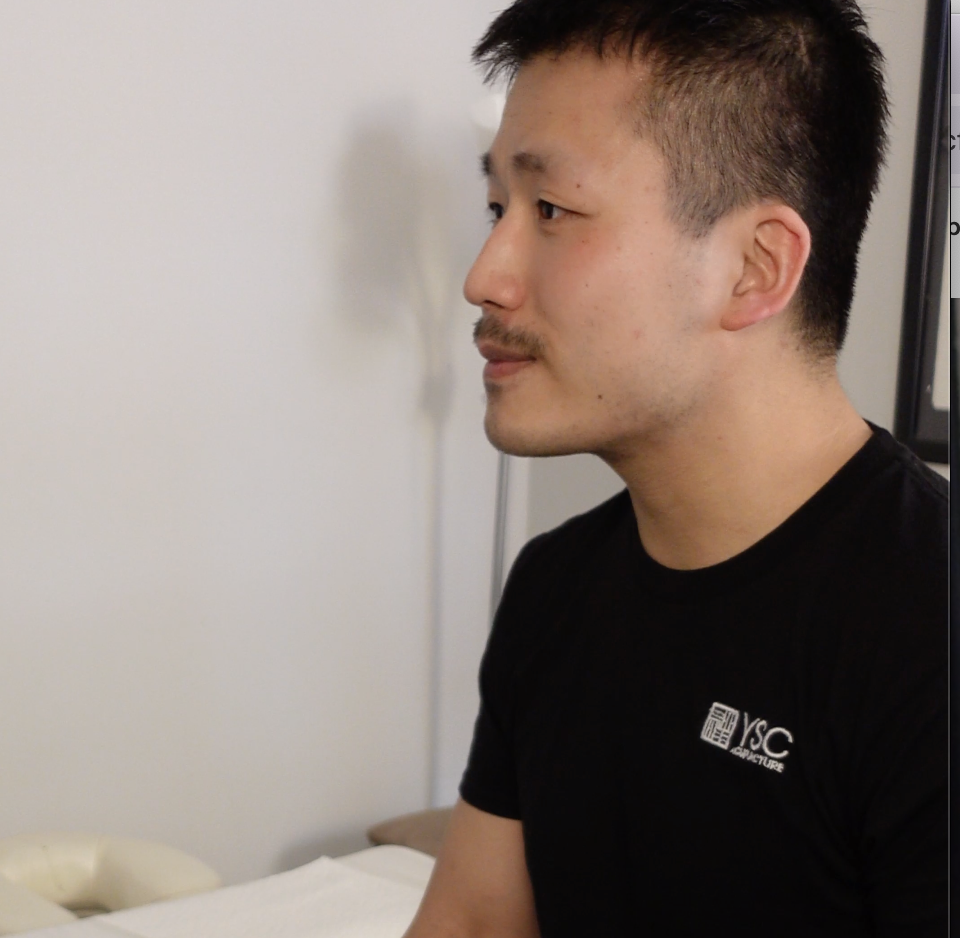
How Acupuncture Restores Balance After Car Accident Stress and Trauma | Xiao’s Story
Finding balance after a car accident is about more than just healing physical injuries; it’s about recalibrating your entire nervous system.

Is Your Gut Causing Your Migraines? The Connection You Haven't Been Told
If you suffer from chronic migraines, you know the routine: dark rooms, ice packs, and heavy medication. Many of our patients at YSC Acupuncture have already been to a neurologist, had the brain scans, and were told everything looks "normal."

Beyond the GLP-1 Shot: A Natural Approach to Weight Loss at YSC Acupuncture
GLP-1 injections (like Ozempic or Wegovy) have dominated the conversation around weight loss recently. While they are incredibly popular, many patients are now coming into our clinic reporting "weird" or unexpected symptoms they didn't have before starting the weekly shots.

Strategies for Post-Holiday Overeating Relief
The holidays are over, and you were a little too generous with your plate. Now you’re dealing with the uncomfortable aftermath: painful bloating, a deep, heavy feeling of fullness, excessive gas, or digestive sluggishness. Don't worry, you’re not alone—and there are compassionate, highly effective ways to find relief.

Strategies to Support Your Gut Before the Holiday Feast
The holiday season is a time for joy, connection, and, inevitably, rich, abundant food. While these feasts are wonderful, for many, they are quickly followed by discomfort: that heavy feeling, uncomfortable bloating, or post-meal fatigue.
If you’re looking for proactive support to maintain digestive wellness, our approach to acupuncture for holiday gut health in Midwood, Brooklyn, can help you enjoy the season with less stress on your stomach.

The Mind-Gut Connection: A TKM Approach to Digestive Wellness
Ever notice your stomach acts up right before a big meeting, or a stressful week brings on uncomfortable bloating, gas, or indigestion? You're not imagining it. The undeniable link between your emotional state and your digestive wellness—the mind-gut connection—is a profound truth that Traditional Korean Medicine (TKM) has recognized and treated for generations.

The Sweat Equation: Why You Should Embrace That Post-Workout Glow
When you finish a tough workout, you see the proof of your effort: sweat. That moisture is one of your body's most sophisticated signs of health, balance, and vitality.
Let's explore why breaking a sweat is so crucial, examining the process through the lens of Modern Science and Traditional Korean Medicine (TKM).